
25 Ways to Volunteer in your community
Adapted from 1st Financial Bank USA's blog

Spread the Knowledge. Share: 


Are you looking for a great way to help others, learn new skills, gain experience, build your resume, and meet more people? Try volunteering! There are countless ways to support those in need, whether it's in your own neighborhood, on campus, or across the globe.
Whether you’re in high school looking to boost your college applications or a college student exploring paths and passions, not only can volunteering be a productive way to give back, but it can also be a personally fulfilling experience and may even lead to a possible career path. Here are 25 different ways to get involved in your community.
1. Serve In a Soup Kitchen
Soup kitchens often need volunteers to help prepare food, serve meals, clean up and offer a welcoming environment. For some people, a meal at a soup kitchen may be the only food they have for the day. You also might be asked to greet regular patrons and welcome newcomers to the facility. You’ll likely interact with a wide range of individuals, from veterans to families with young children, and gain perspective on the importance of food security.
Tip: To find a soup kitchen or food program near you, visit online food banks and/or pantries like Feeding America and use their food bank locator to connect with organizations in your area. You can also check with local churches or community centers, which often host weekly meal services.
2. Aid Your Church or Faith Community
Churches and other religious centers frequently host events, provide support services, and offer outreach programs and are most likely seeking volunteers to help. You might help organize a food drive, participate in mission trip, or assist during services. Many of these institutions run on limited staff and budget and rely on volunteers to function. Even if you’re not religious, you can still volunteer at community events hosted by faith-based organizations.
3. Be a Counselor at Summer Camp
Being a volunteer counselor or junior coach at a summer camp can be a fun, fulfilling way to give back. Camps often need help leading activities, facilitating games, supervising meals, and encouraging teamwork among kids. You’ll also build leadership and communication skills from managing group dynamics, resolving conflicts, and adapting your communication style to suit different ages and personalities, plus, it’s a great way to stay active and social during the summer.
Working at a summer camp can be good for high school students looking for hands-on leadership experience and college students seeking meaningful summer involvement.
4. Assist Your School
With a limited budget and busy staff, schools are almost always looking for student volunteers. They have a wide variety of activities, so you can usually help with an activity that you are interested in. If you prefer to work with adults, you can be a teacher’s assistant, collect tickets at a sporting event, or design a program for the school musical, etc. If you want to assist the students, you can serve lunch, tutor younger students, or watch recess for younger children. Education majors can also often earn service-learning credit for volunteering in local schools. Volunteering at a local school is a great way to contribute to your academic community and give back in a familiar setting.
5. Tutor Students
If you’re strong in an academic subject, tutoring can be a direct and rewarding way to support others. Tutors provide one-on-one attention to students who need help grasping difficult or new concepts, preparing for exams and/or building confidence. You might tutor peers, younger students, or community members. Beyond homework help, tutoring can make a powerful difference in a student’s academic and personal life, especially for those who are falling behind or learning in a different way. Many students rely on tutoring to supplement and/or help improve their schoolwork, and in some cases, it may be the only type of academic support that’s keeping them on track. Professional tutoring can be expensive, so when you volunteer your time, you may be helping a family that otherwise couldn’t afford it. Parents often deeply appreciate this kind of support, and students usually gain more than just better grades, they gain encouragement and a renewed belief in themselves.
6. Mentor a Child
While tutoring is helping a student academically, mentoring goes beyond academics. Mentorship programs, such as Big Brothers Big Sisters of America, pair up trusted adults with children in communities across the country. These mentorships give kids, especially those who may not have a good role model, a chance to experience a healthy relationship with an adult. As a volunteer mentor, you can offer emotional support and help younger children grow into their potential simply by spending time with them. Mentorship is about more than helping with homework, it’s about building trust, offering guidance, and helping a child navigate life. Meeting with the child consistently, even once a week, can make a big difference in a child’s life. Many young children in mentorship programs my come from unstable environments, so having someone who shows up regularly, for a long period of time, helps create a safe space where they can feel seen, heard, and supported.
Tip: Investigate established mentorship programs in your area or through your school. You can also look at the different programs that the Boys and Girls Club of America, for example has on their website.
7. Organize a Summer Reading Program
Students may forget some of the information they learned during the year over the course of the summer. You can work with local libraries, schools, or youth centers to run a summer reading program to keep their reading skills active and minds fresh. It’s also an excellent way to get kids to read a book, broaden their vocabularies, learn something new, and introduce kids early on the joys of reading for fun. You can share your favorite books, offer prizes to children who meet their goals, and turn the program into a friendly competition, all while teaching children the importance of reading.
8. Donate Books
Donating books is a great way to give back to the children and families in your area. Old books from your childhood that you’ve outgrown or finished can help other children learn to read. Donations may help maintain the budgets of schools and nonprofit organizations that would otherwise have to purchase new books. Plus, you can free up some space on your shelf to find another book you are interested in.
9. Help Out at a Homeless Shelter
Homelessness is a significant issue in many communities, and volunteering at a shelter is a meaningful way to support those who are experiencing hardship. Giving your time to those who are going through a difficult stage of life can make a difference. Volunteers at shelters often take on a variety of responsibilities including cooking meals, organizing donations, cleaning the shared spaces, or leading art and recreational activities. You might also offer companionship and conversation, which can be just as valuable as tangible support. It’s always important to check with the shelter to understand their volunteer policies and any training requirements.
10. Work With the Elderly
The residents of nursing homes, along with the patrons of senior centers, may not get frequent visitors and would love to have some company. Even if you don’t have a family member who lives in the nursing home or goes to a senior center, you can volunteer at senior citizen events, which may include organizing games, reading books aloud, playing a musical instrument, assisting with craft projects, or helping with technology. Your presence can truly brighten their day and may also be personally rewarding. You can also organize a group from your school or campus to “adopt” a nursing home and rotate visits.
11. Assist Hospitals
You don’t necessarily need a medical background to volunteer at a hospital. Hospitals may need greeters, entertainers, or volunteers for children’s activity rooms. Bringing music, crafts, or comfort items can provide stress relief for patients and families. You may be able to bring a smile to a sick child's face or make an exhausted nurse laugh!
Hospital volunteering can also provide valuable experience and insight into healthcare environments for pre-health students. It can be an opportunity to observe how hospitals function, interact with patients and medical staff, and develop bedside manners. This experience can be incredibly helpful when applying to medical, nursing, or other health-related programs.
12. Help in a Local Food Bank
A food bank is a warehouse that stores food to be distributed to communities in need, and a food pantry delivers the food directly to the families and individuals that need it. Volunteering at a food bank or local food pantry may include accepting donations, purchasing foods within a budget, sorting and packaging donated food, assisting visitors, and delivering food to those in need.
13. Organize a Blood Drive
Blood drives are essential for hospitals and their patients. Blood donations save lives, and there’s often a shortage. To get started, reach out to the American Red Cross or your local blood bank, they often have dedicated staff who help students coordinate drives at high schools, colleges, and workplaces. These organizations typically provide promotional materials, scheduling support, and trained staff to run the drive itself. Best of all, you're likely to meet new people who are just as eager to make a difference as you are.
14. Donate Unwanted Items
Shelters and thrift stores accept clothing, shoes, blankets, and hygiene products. Donating items that are unwanted or no longer used is a great way to help your neighbors. The gently used coats, blankets, and shoes in the back of your closet can make a big difference to others, while cleaning up some of the clutter in your home. Make sure your donations are clean and in good condition. You can always contact your local charities and shelters to see what items they are most in need of. Setting up a donation box in your school or residence hall is another easy way to collect unwanted items, especially at the end of a semester when students are moving out.
15. Volunteer In an Animal Shelter
Animal shelters often need volunteers to walk dogs, clean cages, feed and groom animals and assist at adoption events. If you’re an animal lover, it can be a meaningful way to give back, and de-stress in the process. Whether you’re playing with puppies or comforting a shy cat, the interaction can provide a break from academic pressure, offer a sense of calm, and help you feel more grounded.
Tip: Reach out to your local humane society or no-kill shelter to ask about volunteer opportunities. Some may require an orientation and a regular time commitment.
16. Help With Building Homes
Unfortunately, some people don’t have a place to call home. You may feel that you can’t improve their situation, but you can make a difference for homeless people through organizations like Habitat for Humanity. This organization is local, national, and worldwide. They build and upgrade homes for those in need. Some campuses even organize spring breaks centered around homebuilding projects.

Pictured: Two Siouxland Habitat for Humanity homes built with assistance from 1st Financial Bank USA.
17. Coach a Youth Sports Team
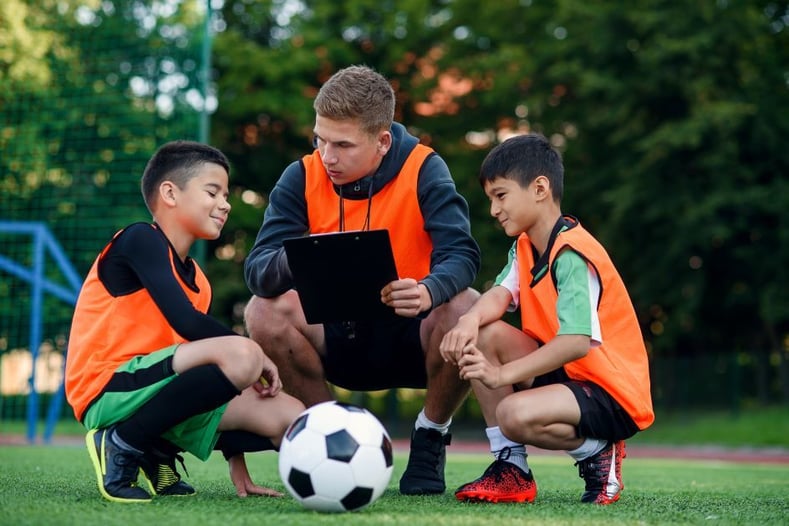
If you enjoy being active or have skills in a particular sport, coaching a youth sports team might be the perfect volunteer opportunity for you. Coaching is a volunteer example that benefits both parties. You'll be able to share your passion, act as a role model, and help parents who may be too busy to take on the role themselves. You may even learn a little more about the sport yourself. Plus, volunteering in a leadership role looks great on your resume.
18. Gift Christmas Presents
Operation Christmas Child is an organization that coordinates holiday gifts for less fortunate children overseas. You can get involved by filling a shoe box with any fun items or necessities that can fit into fit the box and can be sent overseas. This is a great way to help others without having to travel yourself. Some common gift ideas are stuffed animals, crayons, coloring books, chapter books, and many other hygiene items.
Tip: Get your whole team, club, or class involved to maximize your impact.
19. Maintain the Environment
Play your part in environmental conservation by picking up stray litter. In rural areas, you can adopt a section of the highway to clean up the roadside ditches. Another way to enhance the earth's beauty in your community is by planting trees, potting flowers, or eliminating plants that are classified as an invasive species. Environmental volunteering helps preserve public spaces and sets a positive example for others. You can check to see if your college or high school has a sustainability club or green team as one way to get involved.
Tip: Make sure to check with your local community, town, village, county, or another applicable entity with respect to planting, maintenance, and removals, etc., as there may be public space guidelines, including permits required.
20. Package Meals
Many organizations around the U.S. offer volunteer support for those who want to make a difference in the global food crisis. In turn, this makes it easy for colleges, high schools, churches, and other groups to package meals for those living in poverty. These meals provide proper nutrients for the children and adults who receive them. No Kid Hungry and Orphan Grain Train are some of the organizations working to end world hunger one meal at a time.
Why it matters: The meals you package often go directly to areas affected by hunger, conflict, or disaster.
21. Assist With Voter Registration
You can assist with voter registration to help peers register to vote, learn about upcoming elections, and understand their rights. Hosting a voter registration clinic can help new voters feel more confident, and you will feel good knowing that you played a role in helping to communicate how people can share their voice and fulfill their civic duties. This work is especially meaningful during election seasons, and campuses often host voter engagement events.
22. Help Out In Your Library
If you enjoy books and quiet, assisting at your local or campus library can be a great way to volunteer. As a volunteer, you may be asked to organize or reshelve books which may lead to you to find new books to add to your to-read pile. If you like working with kids, there might be opportunities to work with young children, such as by reading out loud or one-on-one with them or recommending books. Libraries can offer many different volunteer activities you can be a part of to help engage children and grow their cognitive skills.

23. Support Humanitarian Aid Efforts
Organizations, such as the Red Cross or United Nations Volunteers, provide disaster relief, blood donations, and more. Being a humanitarian aid volunteer allows you to help those in emergency situations. These volunteer management organizations give you a tangible way to respond to global disasters and help communities recover.
In addition, you may meet new friends along the way. If you can’t help out in person, some organizations offer virtual volunteer roles, like writing letters to solicit donations from the community or creating social media content to promote awareness about a humanitarian effort.
24. Give Back to Local Foundations
Your city likely has a local foundation that helps support community members, schools, and local businesses. This foundation might host events, fundraisers, and other contributions to improve the success of the area. Local foundations often seek volunteers through flyers, social media accounts, or activities fairs. You can help your community develop and grow by giving back to the foundations that provide local aid.
25. Play at the YMCA
Volunteering at your local YMCA is one way to be interactive with children and act as a role model for them. Plus, you can work in your area of interest. If you enjoy working out, you can teach a class in the weight room; if you enjoy playing sports, you can coach an athletic team. There are many opportunities to help young people while staying fit and helping them do the same.
There are many places to do volunteer work or find community volunteer jobs. Giving back is an excellent opportunity to improve the lives of others while growing as a person yourself. Volunteer work can also be a positive addition to your resume. While helping others, you may make new friends, learn new skills, and add memorable experiences to your life.
Whether you’re volunteering to fulfill service hours, exploring a career path or simply wanting to make a difference, remember: “Volunteers don’t necessarily have the time; they have the heart. “ (Elizabeth Andrew).
Find an opportunity that speaks to you and start making an impact today.